
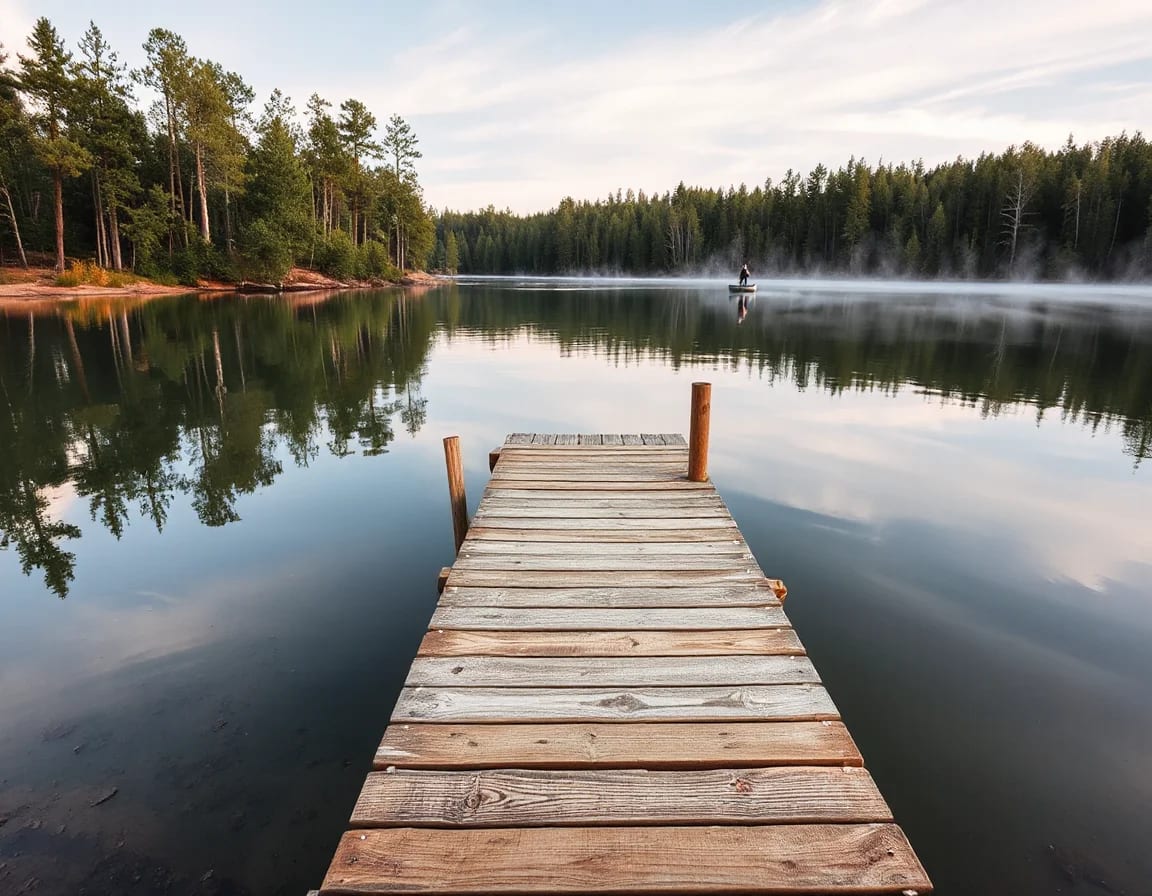
A Minnesota lake home can offer a remarkable connection to the water, but the shoreline, septic system, access, and seasonal upkeep matter just as much as the view. Before making an offer, look beyond the listing photos and build a practical picture of how the property works in every season.
Start With the Lake, Not Just the House
A lake home purchase is really two purchases in one: the home itself and the waterfront setting around it. In the Brainerd Lakes Area and across Minnesota, two properties with similar interiors can have very different value and day-to-day use because of their shoreline, water clarity, boating conditions, lot elevation, and access to the water. A thoughtful search starts by identifying what you want the lake to support, whether that means quiet morning paddles, fishing, boating, swimming, or simply a view that changes with the seasons.

Begin by researching the specific lake rather than relying on a broad label such as “lakefront.” Minnesota’s lakes vary widely in size, depth, public access, recreational traffic, and shoreline character. State and county resources can help buyers review water-quality information, lake maps, aquatic plant information, and public access locations. During a showing, take time to stand at the water’s edge. Notice the bottom conditions, the distance from the home to the shore, the slope of the lot, the dock setup, and the exposure to afternoon sun and prevailing wind.
Shoreline footage is also worth a close look. A long stretch of shoreline does not always mean easy access, and a level lawn does not always mean a gradual lake bottom. Some lots offer a broad area near the water, while others have steeper terrain, retaining walls, steps, or natural vegetation buffers. These features can be beautiful, but they influence maintenance, mobility around the property, and the types of improvements that may be feasible later.
A lake view is only one part of waterfront value. Water depth at the dock, shoreline condition, lot elevation, and the rules for future improvements can have an equally meaningful impact on ownership.
It is also wise to ask how the property feels during different parts of the year. Summer visits reveal boating activity and sun exposure, while a fall or winter visit can show driveway conditions, snow storage areas, tree cover, and the practical distance to services. If the home will be used throughout the year, local road maintenance, internet availability, heating systems, and emergency access deserve the same attention as the deck and dock.
Understand Shoreland Rules, Septic, and Property Systems
Lake property often comes with more layers of regulation than an in-town home. Minnesota shoreland rules and county ordinances may affect setbacks, lot coverage, vegetation removal, docks, accessory structures, grading, and additions. Requirements differ by lake classification and jurisdiction, so it is important to confirm what is permitted for the individual parcel before assuming a future project will be straightforward.
Ask for surveys, septic records, well records, permits, and any available documentation for shoreline work. A current survey can clarify boundary lines, easements, encroachments, and the relationship between structures and required setbacks. If a property has a dock, boat lift, stairs, riprap, retaining wall, or newer shoreline landscaping, ask whether permits or approvals were required and whether those records are available.
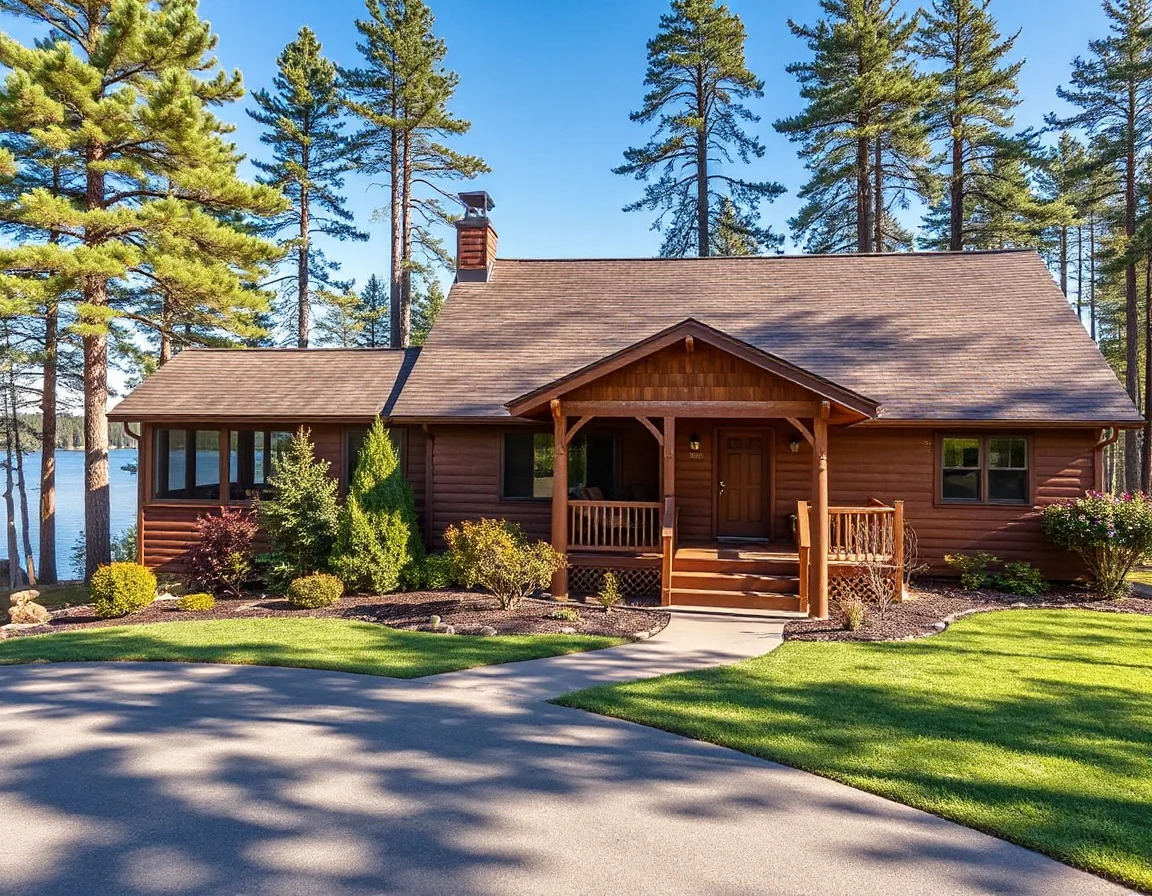
Septic systems are one of the most important due-diligence items for many lake homes. The system’s age, design, compliance status, maintenance history, and capacity should align with how the home is being used. A buyer considering overnight guests, a home office, or more frequent occupancy should understand the system’s permitted bedroom count and the local requirements for replacement if it is nearing the end of its useful life. An inspection by a qualified professional can help turn paperwork into a clearer understanding of condition and next steps.
Private wells deserve similar attention. Testing the water and reviewing available well records can provide useful information about the system. Buyers should also learn where the well, septic components, utility lines, and any buried tanks are located. Knowing these details before closing makes it easier to plan landscaping, repairs, and future improvements without unpleasant surprises.
Seasonal maintenance is another practical consideration. A waterfront home may need dock installation and removal, winterization, snow removal, tree care, exterior staining, shoreline monitoring, and service for pumps or water-treatment equipment. None of these items need to be a drawback; they simply belong in the ownership plan and budget from the start.
Match the Home to How You Plan to Use It
A well-chosen lake home supports the way you actually spend time there. Consider the approach from the road, the number of parking spaces, storage for watercraft and seasonal equipment, and how easily supplies move from vehicle to kitchen or dock. Inside, practical features such as a mudroom, durable flooring, generous storage, a main-level bedroom, screened outdoor space, and a flexible gathering area can make a noticeable difference over time.
Look carefully at the orientation of the home and outdoor areas. Western exposure may bring memorable sunset light but also warmer late afternoons. A heavily wooded lot can offer shade and privacy while requiring more attention to leaves, branches, and roof maintenance. A property near a busier channel may provide convenient access to a larger body of water, while a protected bay may have a quieter feel. There is no universally better choice; the goal is to understand the tradeoffs before writing an offer.
During a second showing, walk the route from the driveway to the water, open storage doors, test the stairs, and spend time outside without rushing. The small details often reveal how the property will function on an ordinary day.
Buyers should also separate permanent features from seasonal staging. Outdoor furniture, boats, lifts, and decorative lighting can create a compelling showing experience, but they may not be included in the sale. Review the purchase agreement carefully to identify fixtures, personal property, equipment, and any negotiated inclusions. If a boat lift or dock is important to your plans, confirm ownership, condition, and whether it is included rather than making assumptions based on what is visible during a tour.
Build a Confident Offer Strategy
Waterfront homes can attract strong attention, particularly when inventory is limited or a property offers a sought-after combination of usable shoreline, well-maintained systems, and a convenient location. Preparation helps buyers respond with clarity. Before touring, speak with a lender familiar with the property type, establish a comfortable budget for both purchase and maintenance, and identify the inspection questions that matter most to you.
When you find a promising home, a local real estate professional can help you compare recent sales with similar lake frontage, lot characteristics, condition, and lake access. Comparable properties are rarely identical, so thoughtful context matters. Amanda Lumley and Northland Sotheby’s International Realty bring local market knowledge together with a broader marketing and client-service perspective, helping buyers evaluate both the home and the lifestyle details that shape a lake property decision.
Buying a Minnesota lake home should feel exciting, informed, and grounded in the realities of the property. By studying the lake, reviewing systems and permits, and walking through how the home will work in every season, you can move forward with a stronger understanding of what makes a waterfront purchase truly fit your plans.