
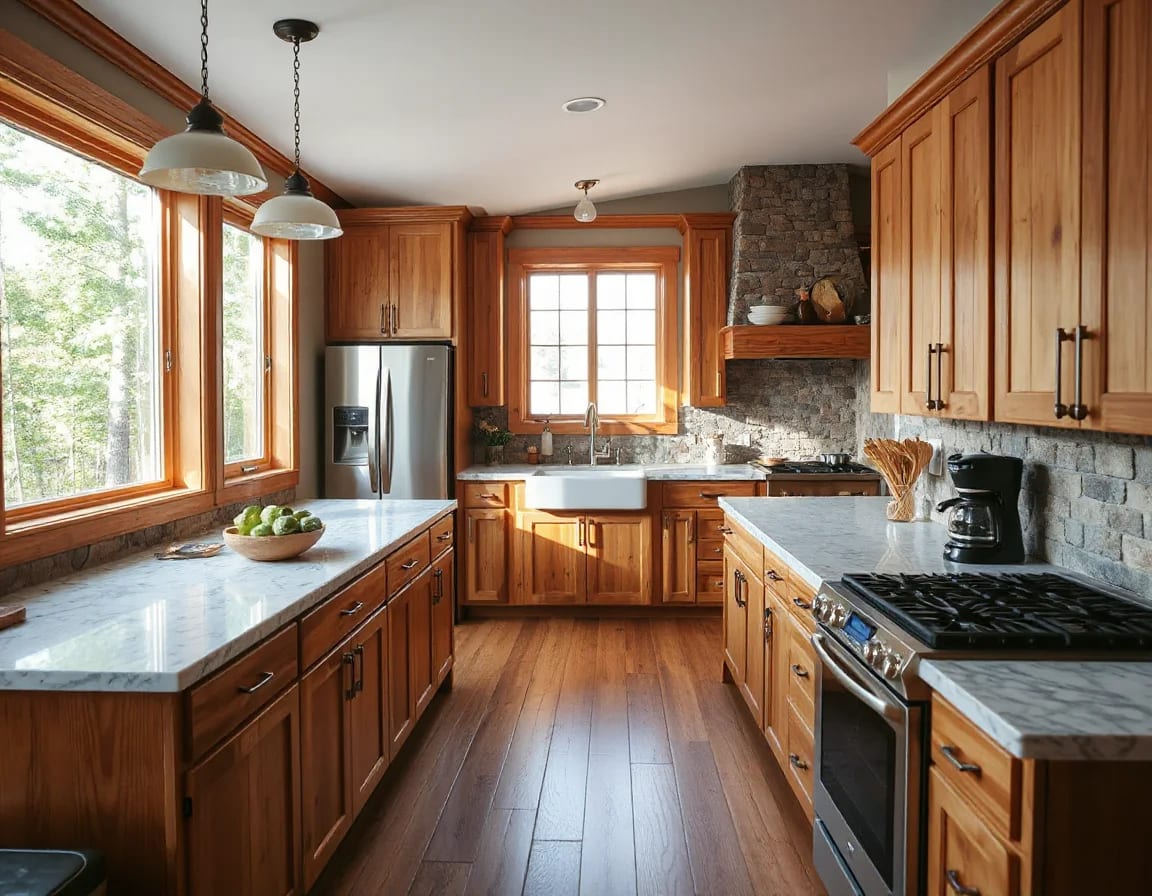
Move-in ready does not have to mean brand-new from floor to ceiling. For many Nisswa sellers, the strongest preparation plan is a focused one: refresh what buyers immediately notice, repair what could raise questions, and keep the home’s lake-country character intact. These five practical fixes can help a property feel cared for without turning it into a costly renovation project.
The Goal Is a Well-Cared-For Home, Not a Blank Slate
Preparing a Nisswa home for sale often comes with a familiar question: how much should be updated before it goes on the market? The answer is rarely “everything.” Buyers tend to respond to homes that feel clean, functional, bright, and easy to picture living in, while oversized projects can consume time and budget without producing a matching return. A thoughtful pre-listing plan concentrates on visible condition, everyday function, and the details that shape a showing in the first few minutes.

That approach is especially useful in the Brainerd Lakes Area, where buyers may be weighing lake access, recreation space, maintenance needs, lot features, and the condition of systems alongside interior finishes. A home does not need to imitate every current design trend to make a strong impression. It does need to communicate that the next owner can settle in without facing a stack of immediate projects.
Start with the experience, not a wish list of expensive upgrades. Walk through the property from the street, front entry, main living spaces, bedrooms, bathrooms, storage areas, garage, deck, and yard. Take note of anything that looks worn, unfinished, hard to operate, or visually distracting. That walkthrough often reveals a more useful to-do list than scrolling through renovation photos online.
A targeted repair list usually has more selling power than a single dramatic remodel: clean, working, and consistently maintained spaces make it easier for buyers to focus on the home itself.
Fix One: Make the Arrival Feel Intentional
The exterior establishes expectations before anyone reaches the front door. A fresh, orderly arrival does not require a complete landscaping overhaul; it requires attention to the features already there. Trim back branches that obscure windows or pathways, remove seasonal debris, edge walkways, replace damaged address numbers, and make sure exterior lighting works. If the entry door, railing, or porch floor shows peeling paint or weather wear, a focused refresh can make the whole facade feel more cared for.
In Nisswa, where wooded lots, pines, gravel drives, and seasonal weather are part of the setting, buyers generally expect a property to feel integrated with its surroundings. Keep that character rather than covering it up. A neatly maintained drive, a clearly accessible entry, and a deck or patio free of loose boards and clutter can suggest that outdoor upkeep has been handled with the same care as the interior.
Pay close attention to the transition points: the front door, mudroom entrance, garage door, dock approach, and deck stairs. These are the places where a loose handrail, sticking latch, or burned-out fixture can make a small issue feel larger than it is. Simple repairs are often less expensive than allowing buyers to wonder what else may have been deferred.
Fix Two: Refresh Walls and Lighting Before Replacing Everything
Paint remains one of the most adaptable seller improvements because it affects nearly every photograph and showing. The goal is not to strip a home of personality. Instead, repair nail holes, scuffs, and uneven patches, then use cohesive, light-reflective colors where rooms feel especially dark or heavily personalized. A fresh coat on a tired entry, hallway, bathroom, or lower-level room can give the home an immediate lift.
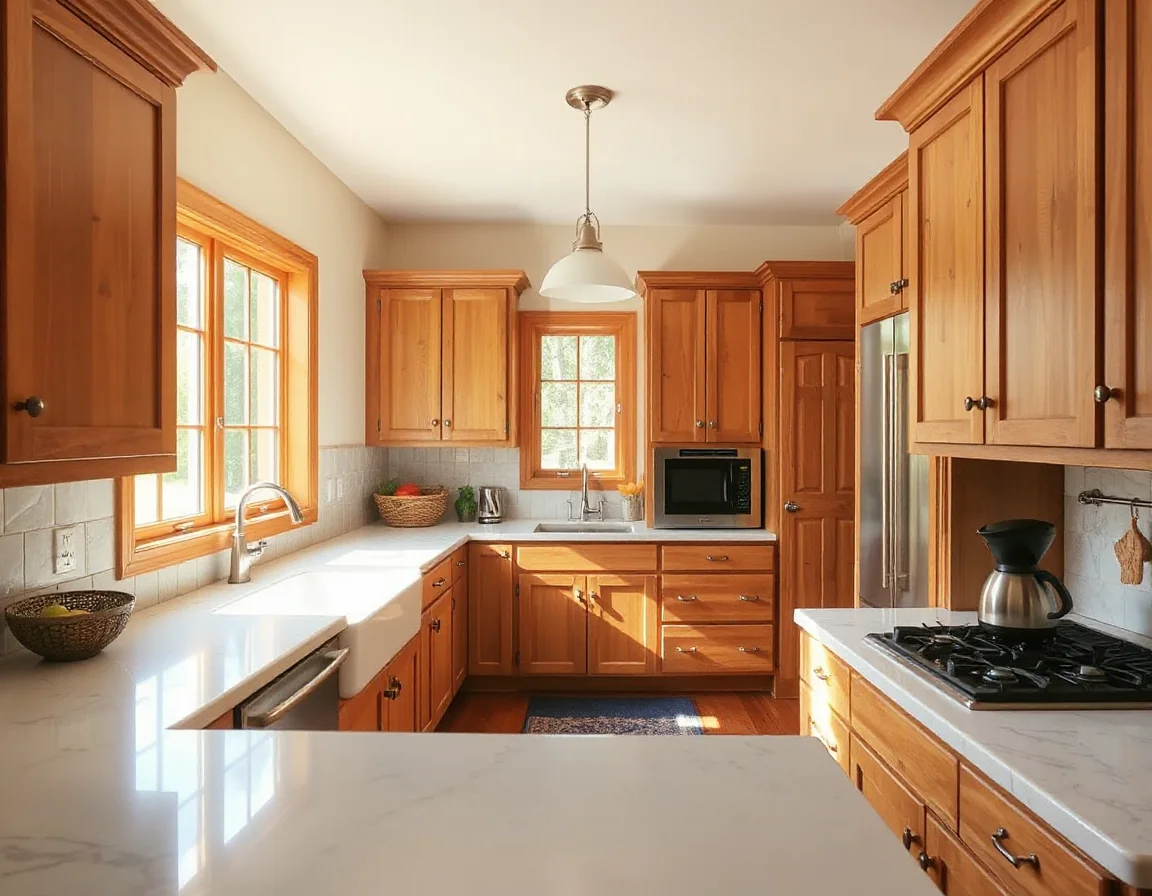
Lighting deserves the same practical attention. Replace nonworking bulbs, match bulb color temperatures within a room, clean glass shades, and confirm that switches, dimmers, and ceiling fixtures operate correctly. Rooms with limited natural light can feel much more welcoming when lighting is consistent and intentional. If a fixture is damaged or distinctly dated, replacing that single item may be a better investment than redesigning the entire room.
Windows matter too. Clean glass, open blinds for photography and showings, and repair torn screens or broken hardware. These tasks may sound minor, but they help rooms feel brighter and make wooded views, yard space, and changing seasonal light part of the home’s presentation.
Fix Three: Give the Kitchen and Bathrooms a Deep, Functional Reset
Kitchens and bathrooms often influence buyers because they are used every day, but a complete remodel is not the only path to a polished result. Begin with function: address drips, slow drains, loose cabinet pulls, cracked caulk, missing grout, and cabinet doors that do not close properly. Then clean thoroughly, including appliance fronts, hood filters, sink fixtures, shower glass, vanity lighting, and the inside of drawers and cabinets.
Small, coordinated updates can go far. New hardware may help dated cabinetry look more deliberate, while a modern faucet or clean mirror can sharpen a bathroom without changing its layout. Countertops and cabinets do not need to be replaced simply because they are not new. If they are clean, intact, and working well, let their condition speak for itself rather than creating a larger project just before listing.
If a repair is visible every time a cabinet opens, a faucet runs, or a light turns on, it belongs near the top of the pre-listing list.
Decluttering is part of this reset. Clear counters enough to show usable work space, remove expired or excess products from baths, and organize pantry shelves and under-sink storage. Buyers frequently open these areas, and orderly storage helps communicate that the home functions well beyond the surface.
Fix Four: Eliminate the Small Signals of Deferred Maintenance
Most buyers understand that every home needs ongoing care. What can make them pause is a collection of small issues that appears to grow as they walk through. Loose outlet covers, squeaky doors, cracked switch plates, damaged blinds, missing trim pieces, stained ceiling tiles, and sticky windows may each be manageable on their own. Together, they can create uncertainty about maintenance habits and future costs.
Create a room-by-room punch list and complete the straightforward fixes first. Test doors, windows, appliances, fans, plumbing fixtures, smoke alarms, and garage doors. Replace worn weatherstripping where needed, secure railings, and repair obvious damage to screens or flooring transitions. For more complex items, obtain advice from an appropriate qualified professional rather than guessing at a repair.
A pre-listing inspection can also be useful in some situations, particularly when a property has older systems, a seasonal-use history, or features such as a septic system, well, dock, or outbuildings. It is not required for every sale, but understanding potential issues early can help sellers prioritize repairs and prepare accurate documentation.
Fix Five: Edit the Space So Its Best Features Can Be Seen
Move-in-ready appeal is as much about clarity as it is about condition. Buyers need room to notice the fireplace, lake-facing windows, built-ins, ceiling height, storage, deck access, or flexible lower-level space. Remove oversized furniture that crowds pathways, store off-season gear, and simplify shelves and tabletops. This is not about making a home look empty; it is about allowing each room to explain its purpose.
For lake-area properties, storage and utility areas deserve extra attention. Organize the garage, shed, entry closet, and any space used for outdoor equipment. A clean, accessible utility room makes it easier for buyers to view mechanical systems, while an orderly garage or storage area helps them understand the property’s practical capacity.
Before photography, think about what should remain visible: a neatly arranged outdoor seating area, an inviting dining table, a reading chair near a window, or a clear path to a porch or deck. Keep décor restrained enough that it supports the home rather than competing with it. The result should feel usable, comfortable, and ready for the next chapter.
Spend Where It Counts, Then List With Confidence
The best seller fixes are rarely the flashiest. They are the improvements that remove friction from a showing, reinforce a history of care, and let buyers focus on the property’s setting and possibilities. Before committing to a major renovation, compare its likely cost, timeline, and market impact with the value of targeted repairs, cleaning, paint, lighting, and presentation.
Amanda Lumley and Northland Sotheby’s International Realty bring local market knowledge together with polished marketing and a global luxury brand network. A practical pre-listing conversation can help identify which updates support your specific property—and which ones may be better left for the next owner to personalize.