
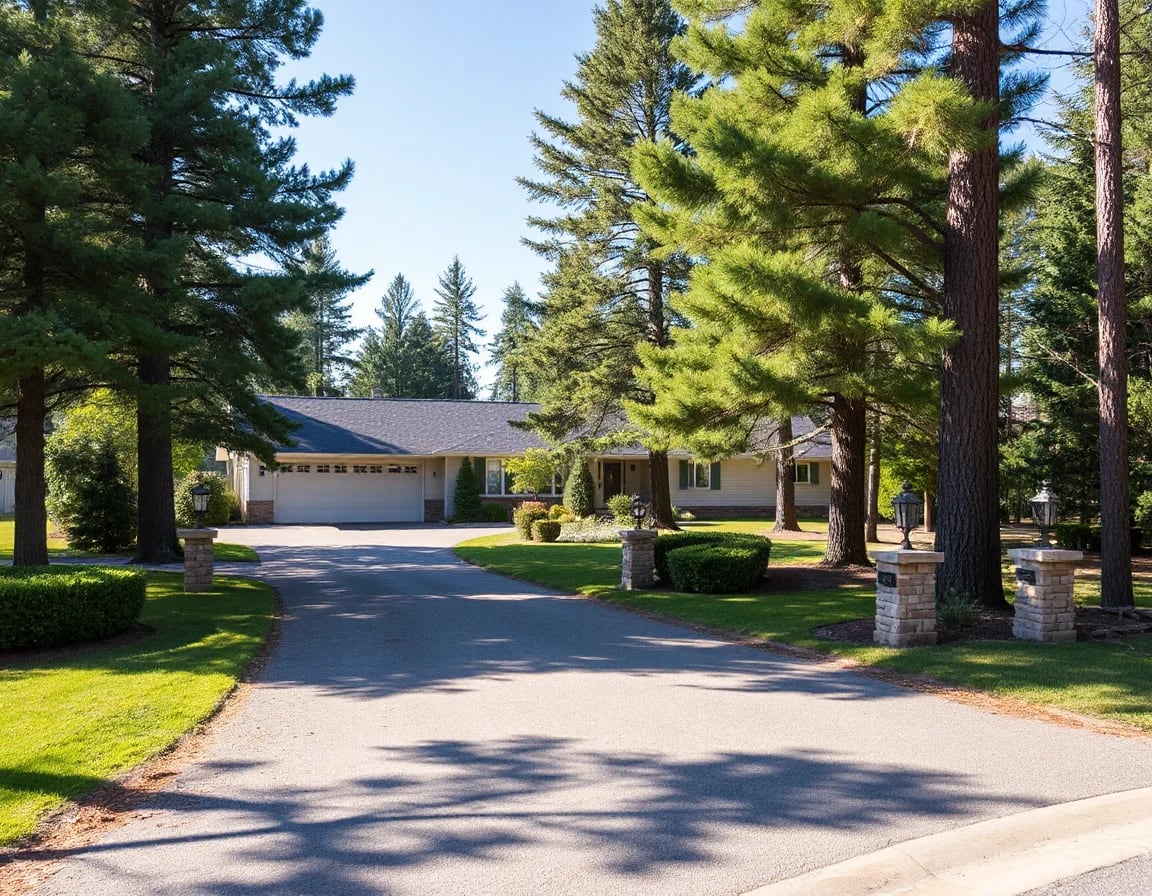
In Brainerd’s $250K–$500K market, price per square foot is a useful starting point—not a final verdict on value. Lot character, condition, layout, storage, shoreline access, and ongoing ownership costs can change the picture quickly. A more complete comparison helps buyers recognize opportunity and helps sellers present the details that deserve attention.
Why Square Footage Is Only One Part of the Story
Price per square foot has a reassuring simplicity: divide the list price by finished square footage, compare the result with a few nearby homes, and look for a pattern. In Brainerd, that calculation can help organize an initial search in the $250,000 to $500,000 range. It is especially useful when homes have similar ages, locations, lot sizes, and levels of renovation. The trouble begins when it is treated as a shortcut for judging whether two very different properties should carry the same value.
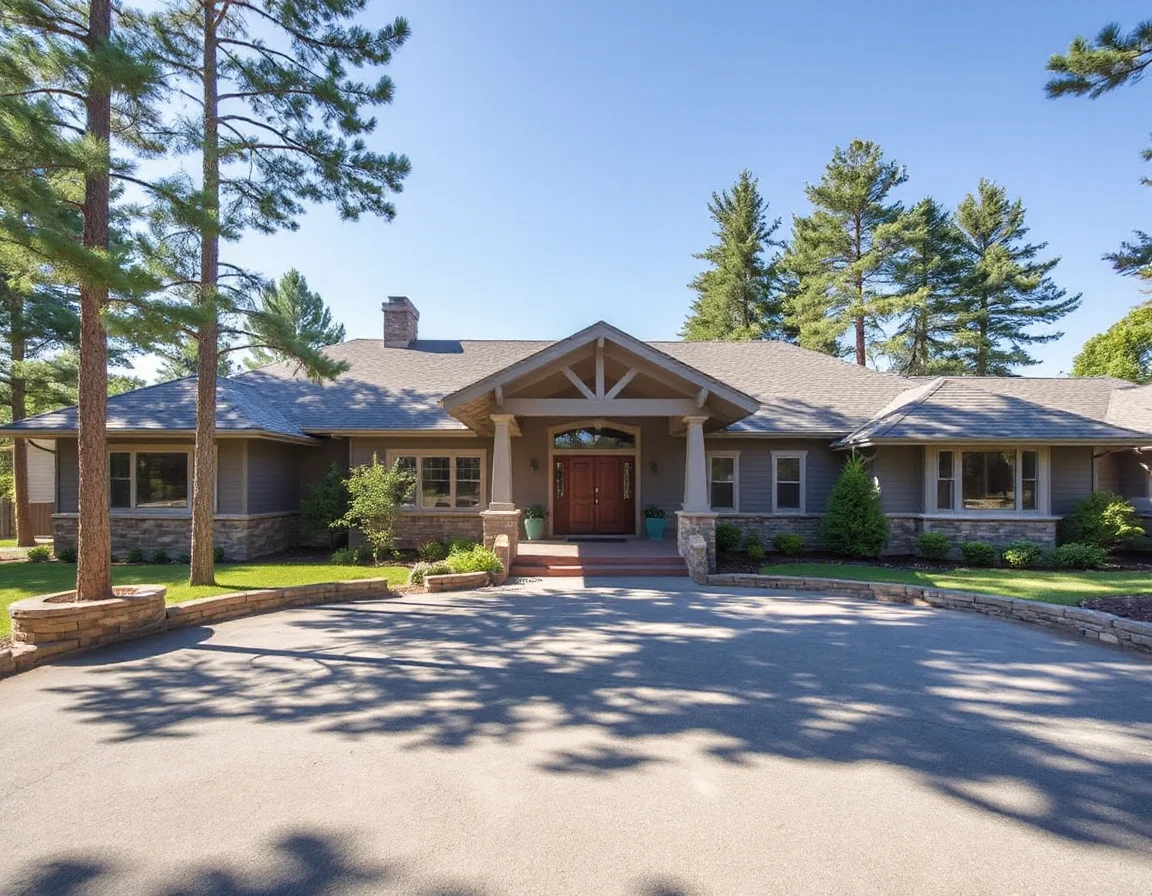
A 1,700-square-foot home on a private wooded parcel may offer a notably different experience from a 1,700-square-foot home on a smaller in-town lot. Likewise, a home with a finished lower level, an updated roof, a heated garage, or a practical mudroom may compare differently with a larger home that needs major systems work. Square footage measures area. It does not measure how effectively that area works, how much maintenance is approaching, or what a setting contributes to daily life.
That distinction matters because this price range includes many property types: traditional neighborhood homes, newer construction, country properties, cabins converted for year-round use, townhomes, and homes near lakes or recreation corridors. A careful comparison begins with size, then asks better questions about condition, utility, and location.
When two homes have similar square footage but different lots, updates, or garage capacity, comparing the full ownership picture can be more useful than focusing on a single price-per-square-foot figure.
Look at the Land, Setting, and Access
Land is often one of the largest reasons similarly sized homes do not trade at similar prices. In the Brainerd Lakes Area, parcel shape, tree cover, topography, road type, drainage, and proximity to water can all influence appeal and future maintenance. A property with room for outdoor living, equipment storage, or a detached structure may serve needs that are not visible in interior square footage.
Water-related value deserves an especially close read. A property advertised near a lake is not necessarily the same as a property with deeded access, a shared dock arrangement, a view, or direct shoreline. For waterfront and near-water homes, details such as shore character, elevation changes, orientation, road access, and association obligations can influence both enjoyment and resale considerations. Buyers should review surveys, association documents, easements, and local regulations rather than relying on a broad location label.
Access also shapes day-to-day value. Consider the route from the driveway to the entry, the amount of paved or gravel parking, winter maintenance expectations, and whether the property’s layout supports boats, trailers, recreational equipment, or extra vehicles. These details may not change a square-foot calculation, but they can meaningfully change how a home functions.
Condition Can Matter More Than an Extra Bedroom
In the $250K–$500K segment, condition is often where the largest comparison gaps appear. One home may be ready for a new owner’s furnishings and routine maintenance, while another may require a roof, furnace, windows, flooring, appliances, water-treatment equipment, or septic attention in the near term. Those are not cosmetic footnotes; they are costs and projects that deserve to be considered alongside the list price.
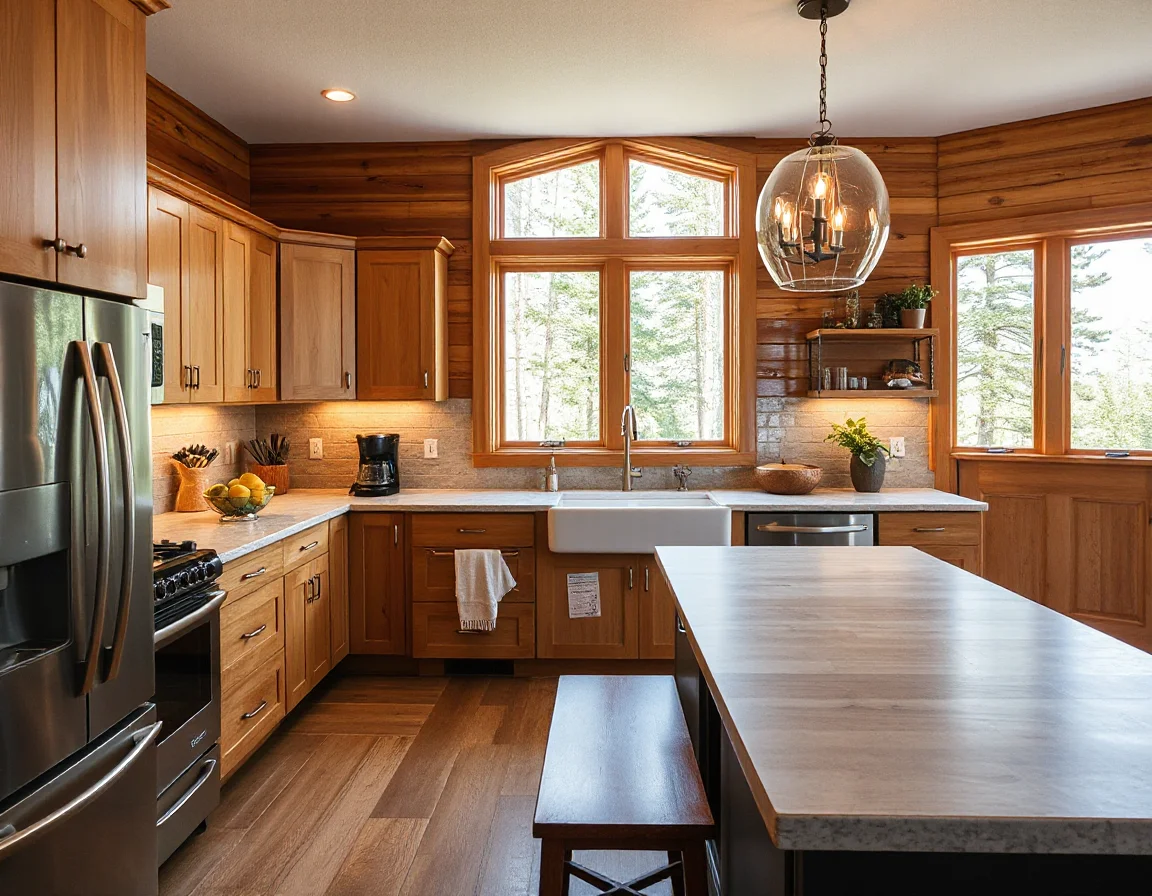
It helps to separate updates into three categories. First are the systems that protect the structure and keep the home operating: roofing, heating and cooling, electrical service, plumbing, wells, septic systems, and insulation. Second are functional improvements such as windows, storage, kitchens, bathrooms, and laundry areas. Third are aesthetic changes, which can be important but may be easier to plan over time. A lower-priced home can be compelling, but only when its needed work is understood and budgeted realistically.
Ask for ages and service records when available, and review disclosures carefully. During the inspection period, use qualified local professionals to evaluate concerns that are beyond a standard inspection. The goal is not to eliminate every older feature from consideration. It is to understand the home’s current condition well enough to compare it fairly with other options.
A renovated kitchen can be memorable, but roof age, heating performance, water systems, and drainage are often the details that most affect the long-term ownership budget.
Measure the Layout, Not Just the Total
Two homes can share the same square footage and still live very differently. Pay attention to where bedrooms are located, whether bathrooms are convenient to common areas, how laundry and storage are arranged, and whether the primary living spaces connect naturally. Ceiling height, window placement, natural light, and sightlines can make a modest footprint feel efficient or make a larger one feel fragmented.
Finished lower levels deserve a closer comparison as well. Confirm whether the finished space has appropriate egress where relevant, comfortable ceiling height, consistent heating, and a layout that fits your intended use. A finished basement may add flexible space, but it is not always interchangeable with above-grade living area. Listing details, county records, and appraisal conventions may treat spaces differently, so it is wise to understand what is included in the reported square footage.
Garages, workshops, sheds, and utility rooms also carry practical value in a region where storage and seasonal equipment can be significant considerations. A three-stall garage is not simply an accessory to the home; for many buyers, it is part of the property’s everyday usefulness. Compare its condition, depth, insulation, electrical setup, and access along with the house itself.
Use Comparable Sales With Context
A strong value analysis relies on recent comparable sales, but comparable does not mean identical. The most helpful sales share meaningful characteristics with the subject property: location, style, age, condition, lot type, living area, garage capacity, and special features. A home near a lake, on acreage, or in a development with association services may need a narrower set of comparisons than a typical neighborhood home.
Current listings matter too, although they tell a different story. Active properties show what else a buyer can consider today; pending and sold properties reveal what the market has recently supported. Price reductions, days on market, and condition differences can provide useful context without becoming a substitute for a full evaluation.
For sellers, this same discipline helps prevent overreliance on an online estimate or a nearby sale with a different setting. Clear documentation of upgrades, maintenance, utility features, and distinctive property attributes gives prospective buyers a more complete picture. Northland Sotheby’s International Realty combines local market knowledge with broad marketing reach, which can help bring those details forward rather than reducing a home to a number on a spreadsheet.
A Better Way to Compare Brainerd Homes
Before making an offer—or setting a list price—create a simple side-by-side worksheet. Include purchase price, finished square footage, lot size, taxes, association fees, estimated immediate repairs, major system ages, garage and storage features, water or septic information, and the amenities that matter most to you. This keeps a polished interior from overshadowing important property fundamentals and helps reveal when a higher-priced home may offer stronger overall value.
The best choice is rarely the home with the lowest price per square foot. It is the property whose location, condition, layout, operating costs, and future maintenance align with your plans. In a varied Brainerd market, taking time to look beyond a single metric can turn a broad search into a confident, well-supported decision.