
A lake view can make any showing memorable, but the best Crosslake purchase decisions come from looking beyond the shoreline. These seven questions help buyers evaluate access, water conditions, ownership costs, and year-round usability before emotion takes over the conversation.
The View Is Only the Beginning
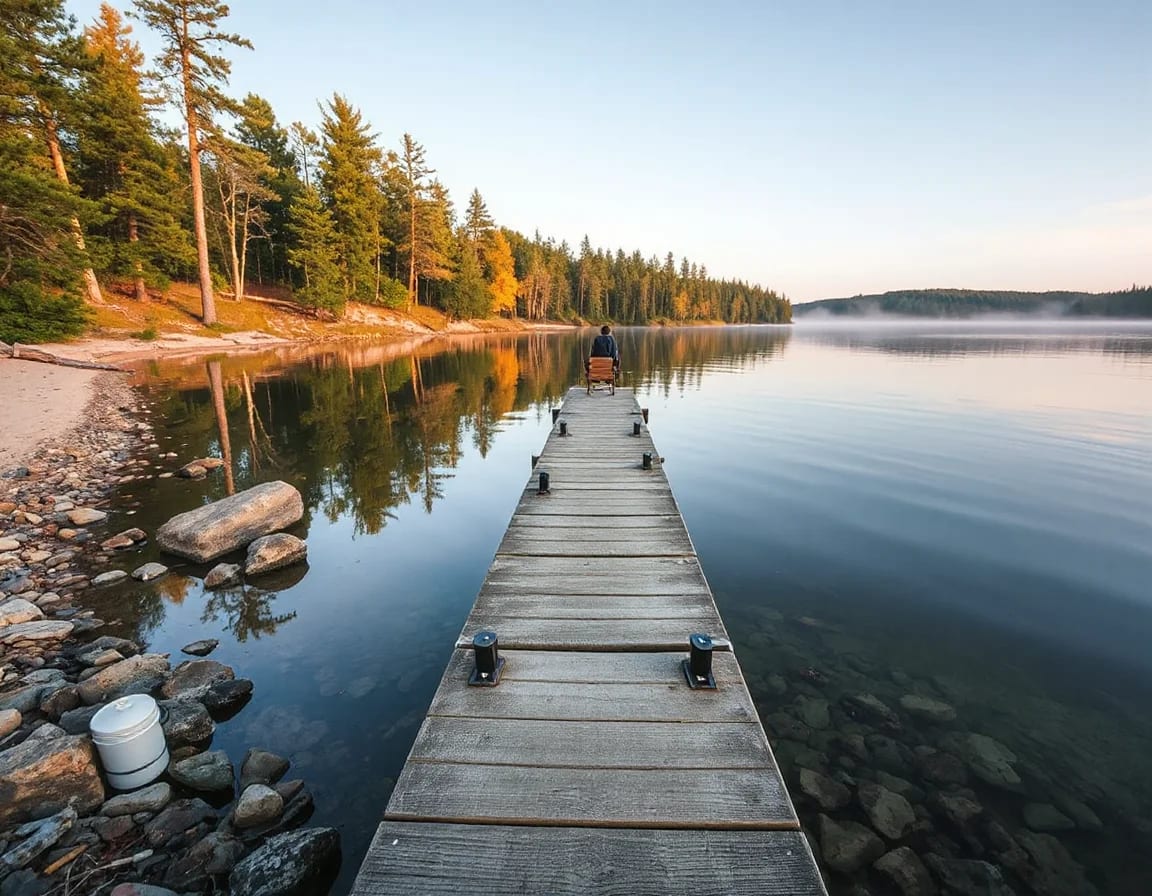
There is a reason lake homes in Crosslake capture attention quickly. Water reflecting through tall pines, a dock stretching toward an evening sky, and the possibility of launching a boat from your own shoreline can turn an ordinary property tour into a daydream. That sense of place matters—but it should be paired with practical research before an offer is written.
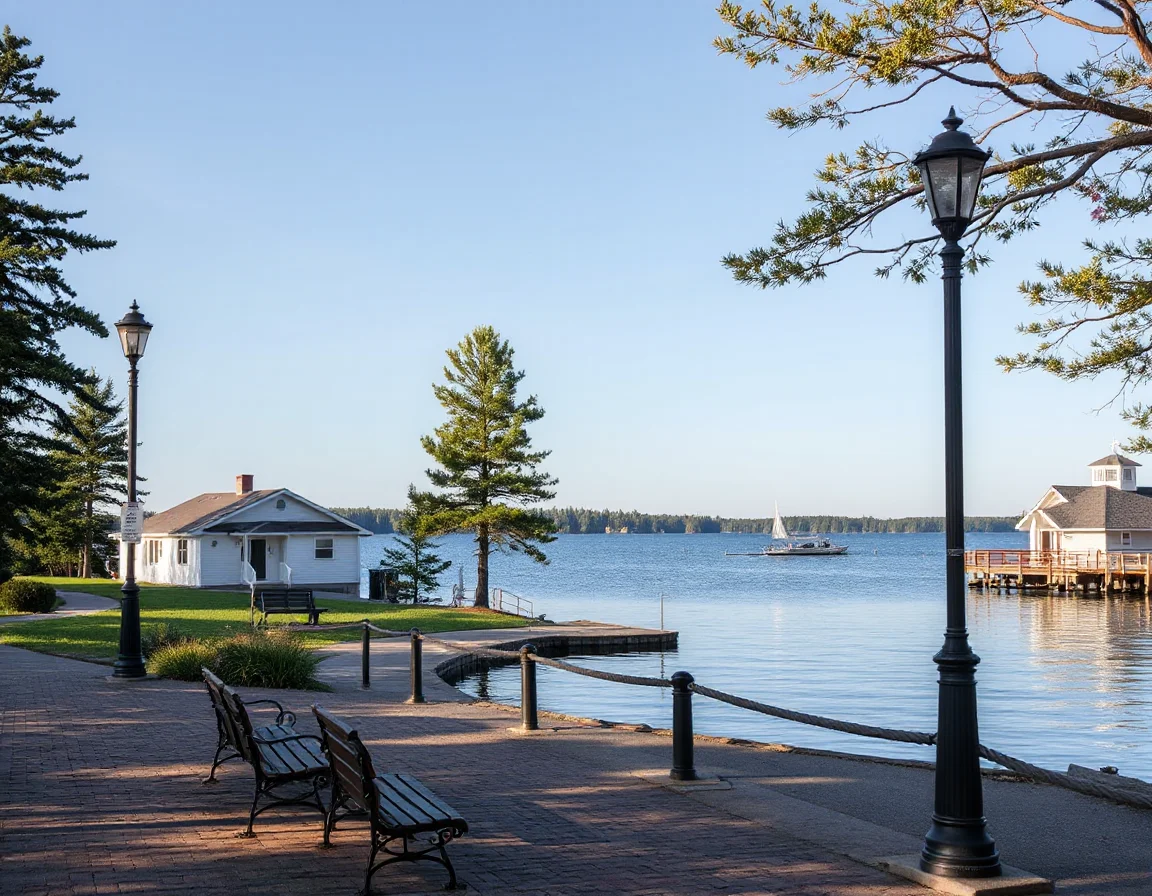
Crosslake sits in the Brainerd Lakes Area, where buyers can encounter a broad range of waterfront settings: established lake neighborhoods, wooded parcels, channel access, quieter bays, and homes that use the water as a daily backdrop. Two properties may look similarly appealing online while offering very different boating routes, shoreline conditions, maintenance needs, and seasonal access.
A thoughtful tour is not about taking the romance out of a lake home. It is about protecting it. When the details support the lifestyle you picture, the property can be enjoyable long after the first sunset photo.
1. Which lake is this property actually on, and what does that mean for use?
Start with the exact lake name, not simply the phrase “on the water.” Crosslake is connected to a notable chain of lakes, and each location can offer a different experience. Ask whether the property sits on a large open-water lake, a channel, a protected bay, or a smaller body of water. Consider how you expect to use the setting: pontooning, fishing, paddling, swimming, watching wildlife, or simply enjoying a view.
It is also useful to ask about navigation. Can a boat reach other lakes from the dock? Are there bridge clearances, shallow passages, seasonal water-level considerations, or busy areas to understand? A route that looks straightforward on a map can feel quite different when explored from the water.
The most useful lake-home question is not “Is it waterfront?” but “How will this particular shoreline work on an ordinary July afternoon and an ordinary October morning?”
2. What is the shoreline like below the surface?
Water clarity and a pretty shoreline do not tell the whole story. Ask about the lake bottom near the dock: sand, rock, gravel, vegetation, or softer sediment can all affect how the water feels and functions. A gradual entry may suit one preference, while a deeper drop-off may better support certain dock or boating arrangements.
Walk the shoreline if conditions allow, and look for signs of erosion, retaining walls, riprap, stairs, or grading. These features are not automatically problems; many are common solutions for changing terrain. The important point is understanding their condition, whether permits were required, and what future maintenance could involve.
3. What stays with the property?
Docks, boat lifts, shoreline equipment, outdoor furniture, and storage systems can be central to a lake-home purchase, yet they are not always included. Confirm in writing what is being conveyed and what may be removed. If a dock or lift remains, ask about age, condition, ownership, service records, and whether it fits the water depth and boat size you have in mind.
This is also the time to ask about storage. Lake life often comes with life jackets, paddles, fishing gear, maintenance tools, seasonal furniture, and watercraft accessories. A home with a beautiful lot but limited dry storage may require a different plan than a property with a garage, shed, or lower-level storage space.
Look Closely at the Home’s Year-Round Practicality
A lake property may be used every weekend, every season, or as a primary residence. The right questions help clarify whether the home’s systems and layout align with that intended use.
4. How does the property perform outside of peak summer?
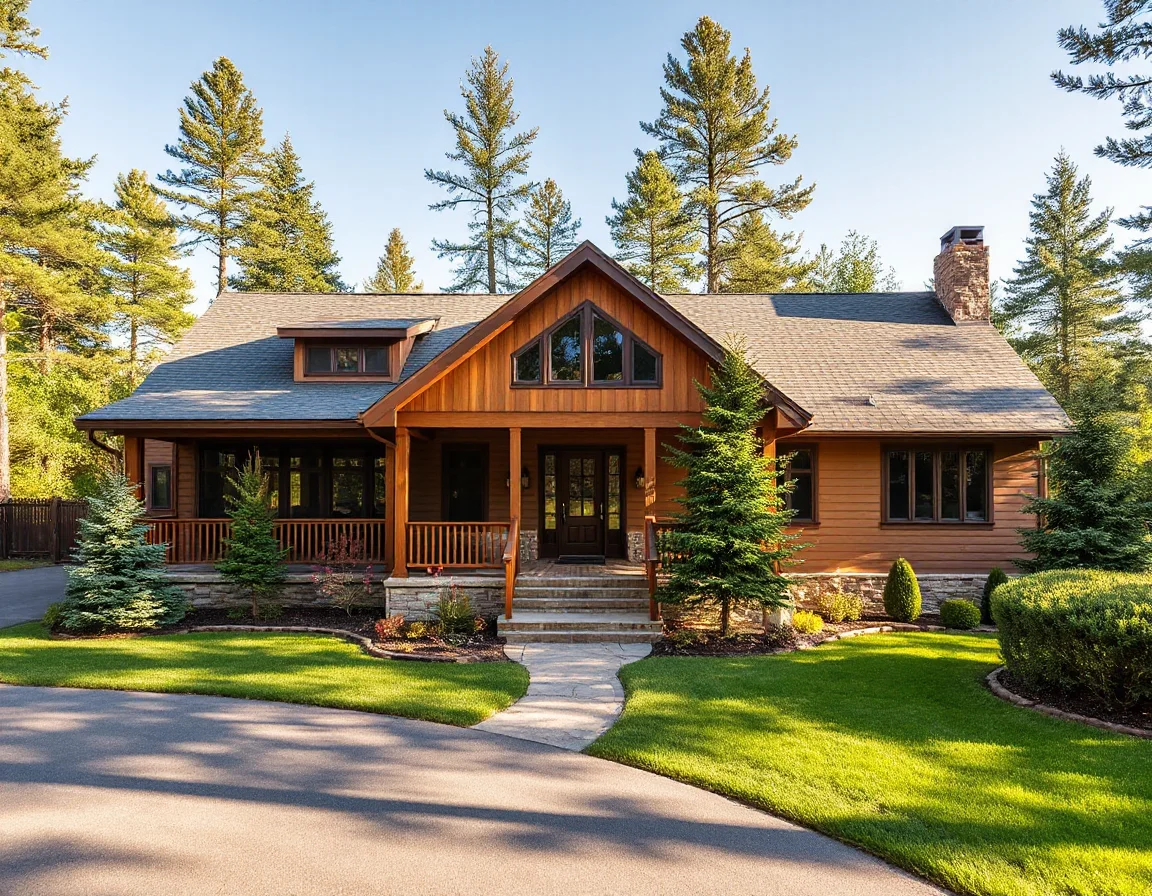
Ask how the home is heated, whether it has central cooling, and how it is winterized if vacant for periods of time. In Minnesota, driveway grade, snow removal arrangements, roof design, insulation, and backup power considerations can all affect comfort and upkeep. If the property is on a private road, clarify who maintains it and how costs are shared.
Pay attention to the route from vehicle to entry during the tour. Steps, slopes, drainage, exterior lighting, and the location of utility equipment are practical details that can be easy to overlook when the water is in view. A good inspection can provide additional perspective on systems, structural components, and deferred maintenance.
5. What should I know about septic, well, and utilities?
Many lake homes use private wells and septic systems, so these deserve early attention. Ask for available documentation on system type, installation date, capacity, maintenance, and any inspection records. Local requirements can affect transfer procedures, repairs, or replacements, and a qualified inspection is an important part of evaluating the property.
Also ask about internet service, cell coverage, propane, electrical service, and trash collection. These are not glamorous questions, but they shape day-to-day ownership. A home can feel wonderfully remote while still offering the connectivity and service arrangements that fit your plans.
Private-system records, road agreements, and dock details are easiest to evaluate before an offer deadline—not after closing plans are underway.
6. Are there association rules, easements, or local regulations to review?
Some properties are part of an association, while others may have shared road agreements, easements, or recorded covenants. Request the relevant documents and read them carefully. They may address road maintenance, exterior improvements, short-term rental rules, parking, shared access, or other ownership considerations.
Waterfront improvements can also be regulated. Before planning a new dock configuration, shoreline landscaping, retaining wall, boathouse work, or other changes, verify applicable requirements with the appropriate local and state resources. The property’s existing setup should not be treated as automatic approval for a future project.
7. What will ownership cost beyond the purchase price?
Ask for the current property-tax amount, insurance history when available, association dues if applicable, utility costs, and any known upcoming projects. Lake homes can have expenses that differ from in-town properties, including dock service, shoreline maintenance, septic pumping, tree care, snow removal, and seasonal opening or closing services.
It can help to build a simple annual budget before making an offer. Include predictable costs as well as a reserve for repairs and weather-related maintenance. That exercise turns a dreamy showing into a more confident financial picture without diminishing what makes the home special.
Make Room for Both Emotion and Due Diligence
The right Crosslake lake home should still create a feeling when you arrive. Maybe it is the sound of water against the shore, the changing light across the trees, or a porch that makes you want to stay a little longer. Those reactions are valuable. They simply work best alongside clear answers about the lake, the land, and the systems that support the home.
With local market knowledge and a careful review process, buyers can compare waterfront opportunities based on more than photographs. Ask the questions, revisit the property at a different time of day if possible, and use inspections and documentation to understand what ownership will really involve. A beautiful view becomes even better when you know exactly what comes with it.